Nothing here yet. Every maker starts somewhere.
Pick a starter kit with everything for your first cast, or let the beginner guides walk you through it.
Shop the starter kits Read the beginner guides
 By Sofie Demeyer
·
6 min read
Beginner
By Sofie Demeyer
·
6 min read
Beginner

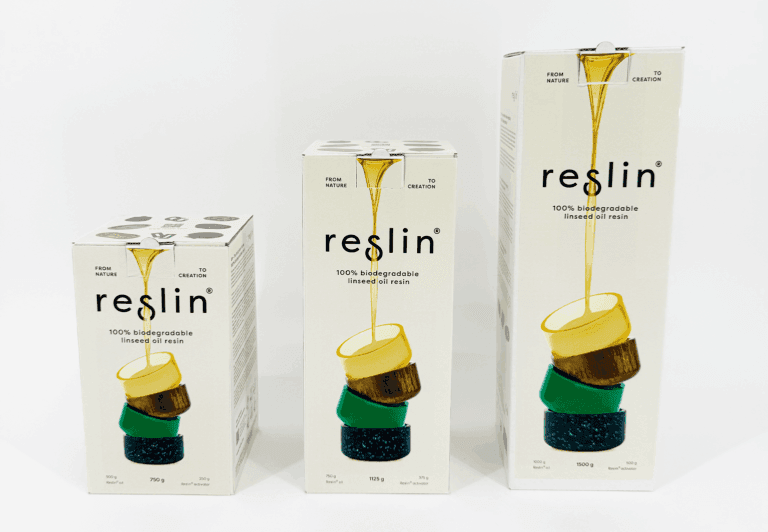
Reslin® is a 100% plant-based casting resin, the first plant-based alternative to epoxy. Like most epoxies it comes in two parts, an oil and an activator, made from linseed and sugar beet molasses. You mix them, pour into a mould, and cure the piece in a normal oven. If epoxy has always felt too harsh or fussy, Reslin® is the gentler way in.
Below we cover what Reslin® is, what it is made of, how to mix and cure it, and what you can make with it.
Reslin® is a plant-based casting resin for decorative work at home. It was created as a kinder alternative to conventional epoxy, so you can pour, colour and finish beautiful objects without the harsh chemistry that usually comes with resin.
The headline difference is simple: Reslin® is 100% plant-based. In fact, it is the first 100% plant-based alternative to epoxy resin. Where standard resin is built on petroleum chemistry, Reslin® is made entirely from plant-derived ingredients.
Like most epoxies, Reslin® has two components that you mix together:
Both parts are plant-derived rather than petroleum-based, which is what makes Reslin® 100% plant-based. You mix them and a natural curing reaction turns the liquid into a solid, castable material.
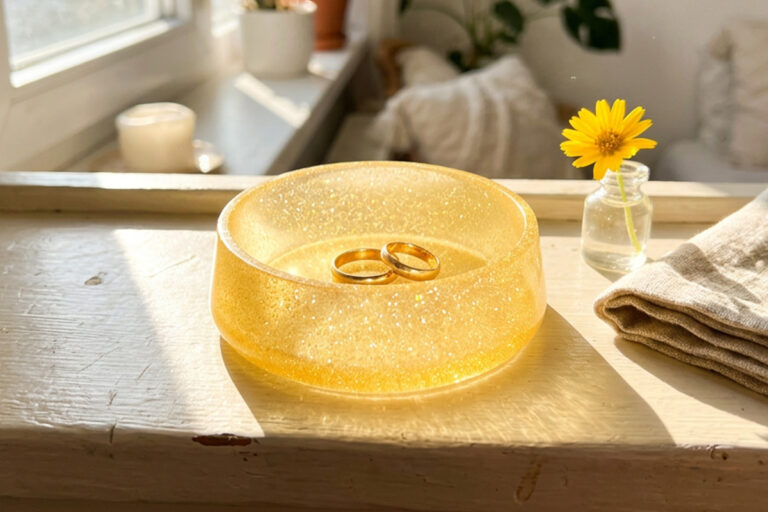
One thing to know about the look: mixed on its own, Reslin® (oil plus activator) has a natural yellow colour. It is see-through, but not crystal-clear like traditional petroleum epoxy. That warm tone is simply part of its plant-based character, and you can build on it with colour, as we cover below.
The easiest way to understand Reslin® is to compare it with the material most makers already know.
Epoxy still has its place. But for small, decorative projects made at home, Reslin® gives you a resin-like result from a plant-based material.
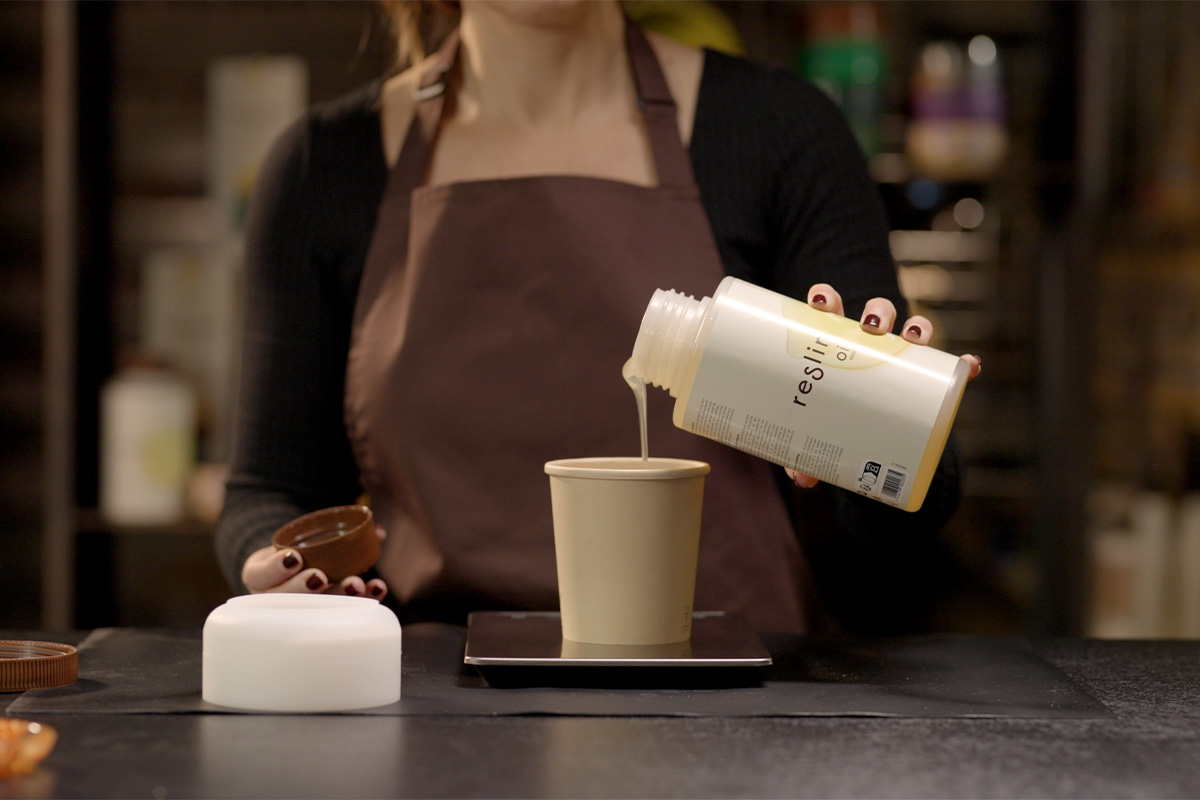
Start by warming both components. At room temperature the activator has a thick, honey-like consistency, so it will not blend properly as-is. Place both the oil and the activator in the oven at 60 °C until the activator turns runny and pourable, only then will the two mix together smoothly. Always use a conventional oven for this, never a microwave.
Once warmed, Reslin®’s two components are mixed at a ratio of 1 part activator to 2 parts oil. Stir them together thoroughly, then blend in any pigment or additives while the mix is still liquid.
Not sure how much to make for your mould? Follow the clear step-by-step calculation guide on the Reslin® brand page, which shows you exactly how to work out the amounts you need.
We always recommend wearing gloves when you work with Reslin®. It is plant-based and gentle, not aggressive like some epoxies, but it is sticky and messy, so gloves simply keep your hands clean. It is also sensible to avoid contact with your eyes.
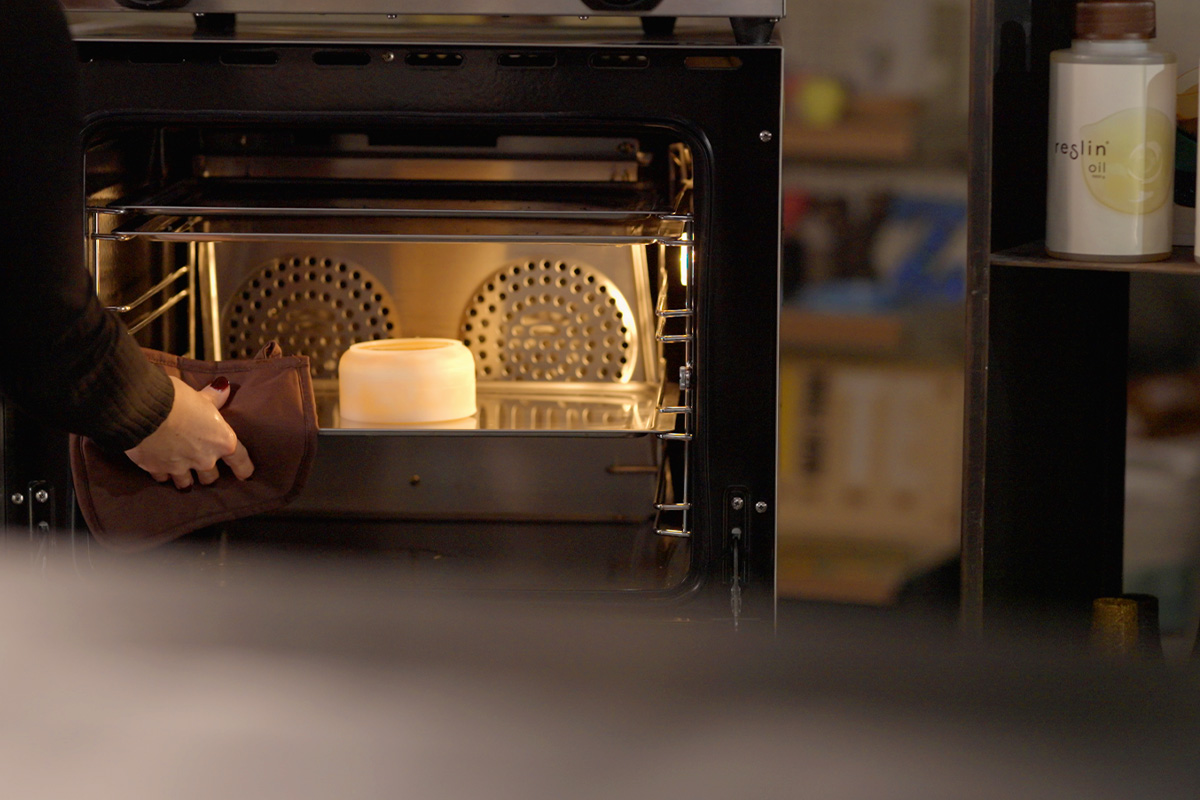
Unlike epoxy, Reslin® does not air-dry over days, it is baked in a normal oven. Once you have mixed your components (plus any pigment or additives) and poured them into your mould:
After baking, your piece is fully cured after 24 hours. Oven-curing gives a reliable, repeatable finish without a long wait.
Prefer not to use the oven? You can also let Reslin® air-dry, but this takes at least 48 hours.
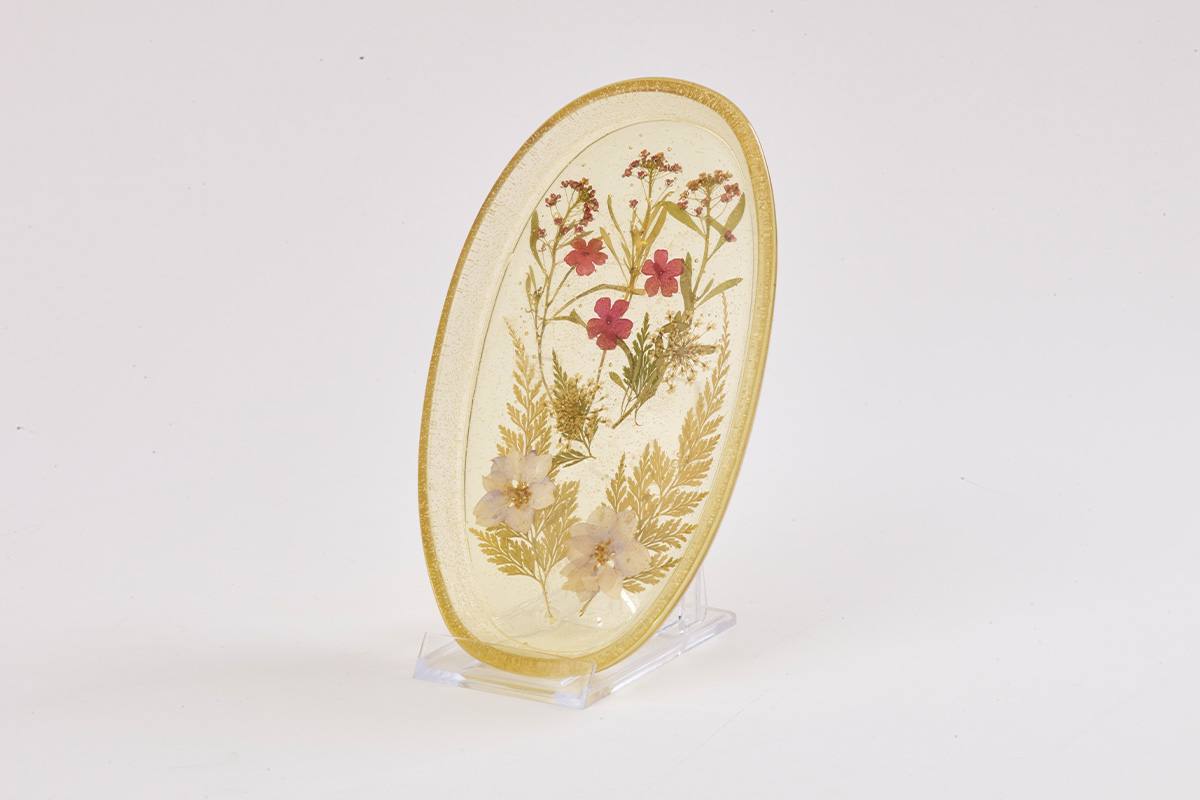
Reslin® blends easily with pigments and additives, so you can take it in almost any creative direction:
Browse the Reslin® colour additives to see the full range.
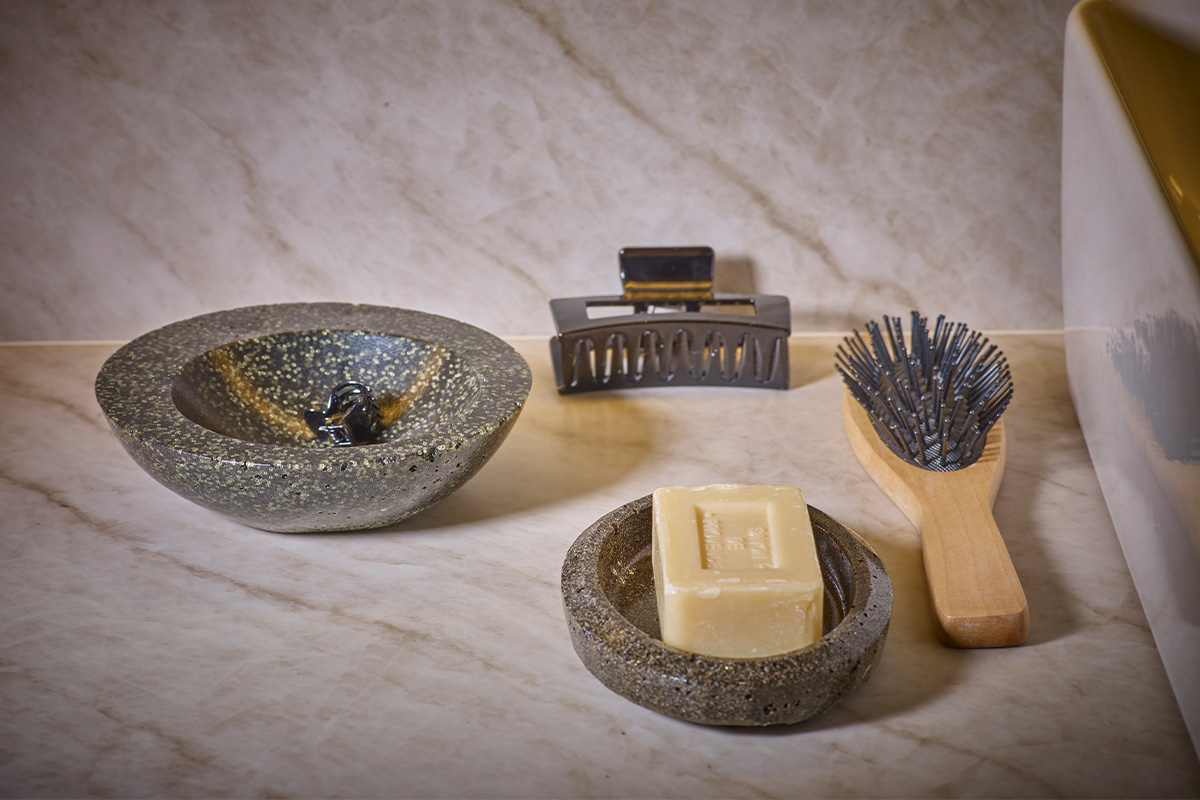
Yes. Because Reslin® is oil-based, finished pieces are naturally waterproof, there is no sealing step to worry about. That is a real advantage over porous materials like Jesmonite, which need a sealer before they meet water.
It makes Reslin® a great choice for bathroom objects such as soap dishes and trinket trays, as well as coasters, planters and anything else that comes into contact with water.
Reslin® is at its best for decorative pieces: small homeware, ornaments, coasters and objects for the shelf or table. Because finished casts are waterproof, it is also ideal for bathroom items like soap dishes.
It is especially lovely for jewellery. The plant-based formula suits pieces worn against the skin, and because it can be kept see-through with tints, it is perfect for pendants, earrings and charms. It is also handy for quick prototypes.
Cast fine detail with silicone jewellery moulds or coaster and tray moulds, and browse the full Reslin® category to see what is available.
The easiest way in is a Reslin® kit, which brings together everything you need for your first pours. Add some tints or mica powders, pick a mould, and you are ready to make something you will be proud of, with a resin that is genuinely plant-based.
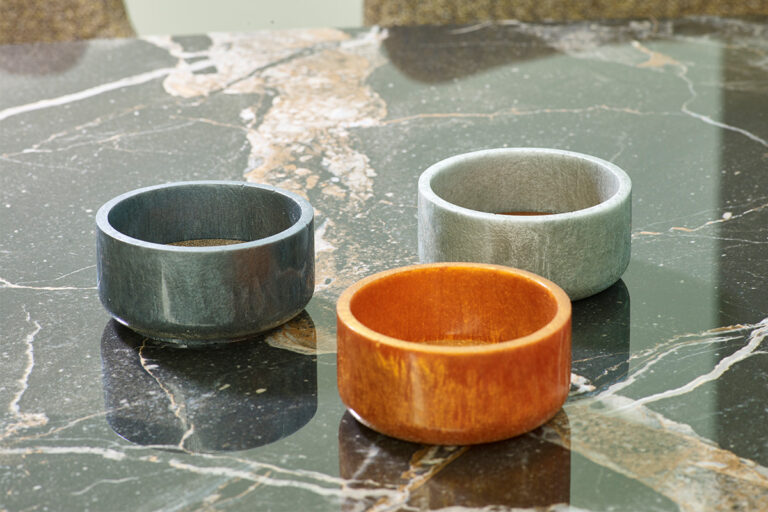
Everything from this guide in one basket: Reslin KIT - bowl - Beginner, with the recommended extras optional.

★★★★★ Rated Excellent on Trustpilot
No. Reslin® is a plant-based casting resin with two components, an oil made from linseed and an activator from sugar beet molasses, while epoxy is generally petroleum-derived. In practice, Reslin® is 100% plant-based, has no harsh fumes, and is oven-cured.
Reslin® is mixed at 1 part activator to 2 parts oil. To work out how much you need for your mould, follow the calculation guide on the Reslin® brand page.
Pour your mixed Reslin® into the mould, let it rest for 20 minutes, then bake it for 20 minutes at 90 °C followed by 20 minutes at 120 °C in a normal oven. It is fully cured after 24 hours. You can also air-dry it, but that takes at least 48 hours.
Yes. Reslin® is oil-based, so finished casts are naturally waterproof and do not need sealing. That makes it well suited to bathroom objects like soap dishes, as well as coasters and planters.
We recommend wearing gloves. Reslin® is plant-based and gentle, but it is sticky and messy, so gloves keep your hands clean. It is also sensible to avoid contact with your eyes.
Reslin® is ideal for indoor decorative pieces, jewellery and prototypes. It blends readily with tints, mica powders and GlassRoxx or StoneRoxx granulate, so you can colour and texture it freely, then cast into silicone moulds for a clean, detailed finish.
Sofie knows every Jesmonite variant, ratio and fix. If a cast can go wrong, she's un-wronged it. Part of the Gigacrea maker team.