
Nothing here yet. Every maker starts somewhere.
Pick a starter kit with everything for your first cast, or let the beginner guides walk you through it.
Shop the starter kits Read the beginner guides
 By Sofie Demeyer
·
7 min read
Beginner
By Sofie Demeyer
·
7 min read
Beginner
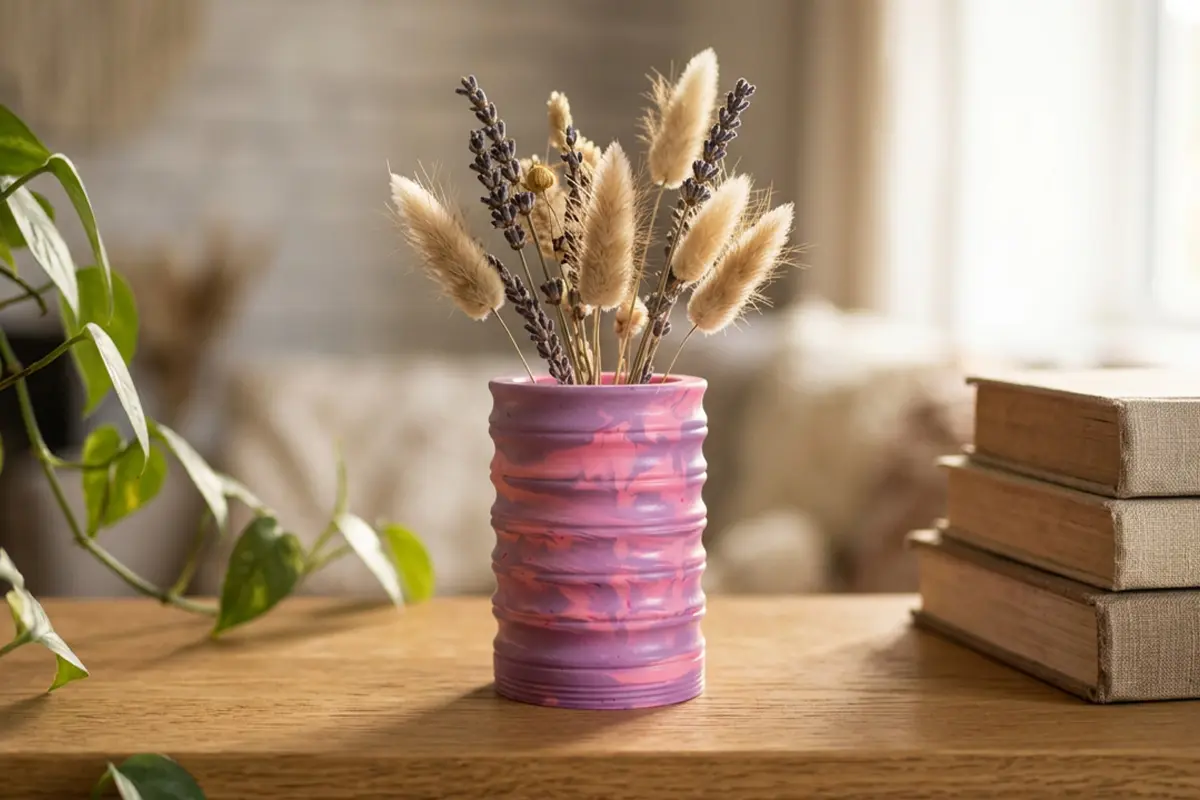
Jesmonite® is beautiful, but it is also porous. Straight out of the mould, your cast will happily soak up water, oils and stains. If you want a coaster that survives a wet glass, a planter that holds a plant, or a piece that lives outside, you need to seal it first. This guide explains how to seal Jesmonite® the right way, which sealer suits each variant, and how to make your pieces properly waterproof.
 Jesmonite Wax Pastesrecommended
Wax pastes for a metallic accent, colour of your choice
€ 6,99
Choose
Jesmonite Wax Pastesrecommended
Wax pastes for a metallic accent, colour of your choice
€ 6,99
Choose
Jesmonite® is a water-based mineral material. That is exactly what makes it lovely to work with, but it also means the cured surface is open and absorbent. An unsealed piece will darken when it gets wet, pick up rings from cups, and stain from anything oily or coloured.
Sealing solves three problems at once. It protects the surface from water and stains, it makes the piece far easier to wipe clean, and it can deepen the colour or add a subtle sheen depending on the product you choose. In short, sealing is what turns a raw cast into a finished object you can actually use.
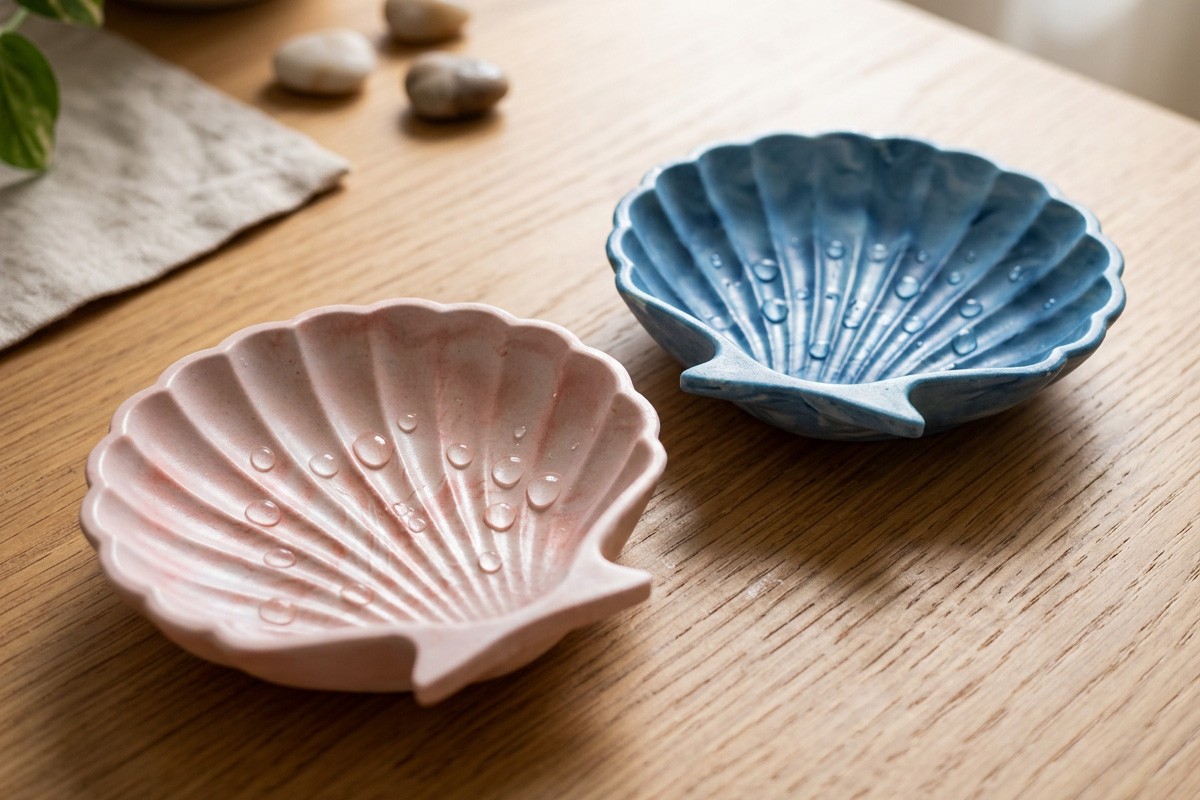
One important point for beginners: Jesmonite® is not waterproof on its own. Do not put an unsealed piece in regular contact with water, and never assume a decorative cast is dishwasher-safe. Seal it before it meets water, every time.
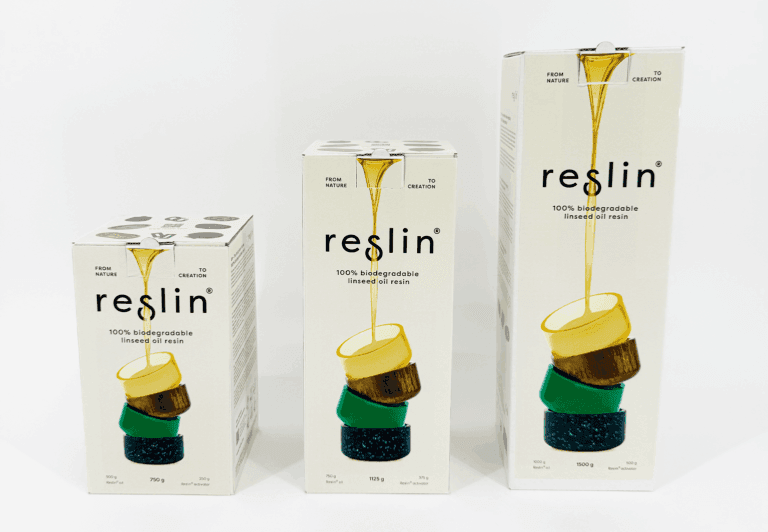
Prefer to skip sealing altogether? Reslin®, a plant-based casting resin, is naturally waterproof because it is oil-based, so finished Reslin® pieces need no sealer at all.
Different Jesmonite® variants call for different sealers, so start by matching the product to your cast. You can browse the full range on the accessories page, but here is the short version.
If you are ever unsure, the rule of thumb is simple: an acrylic sealer (satin or gloss) for AC100, and a penetrating or Flexiguard sealer for the cement-based variants, with AC84 happy to take any of them.
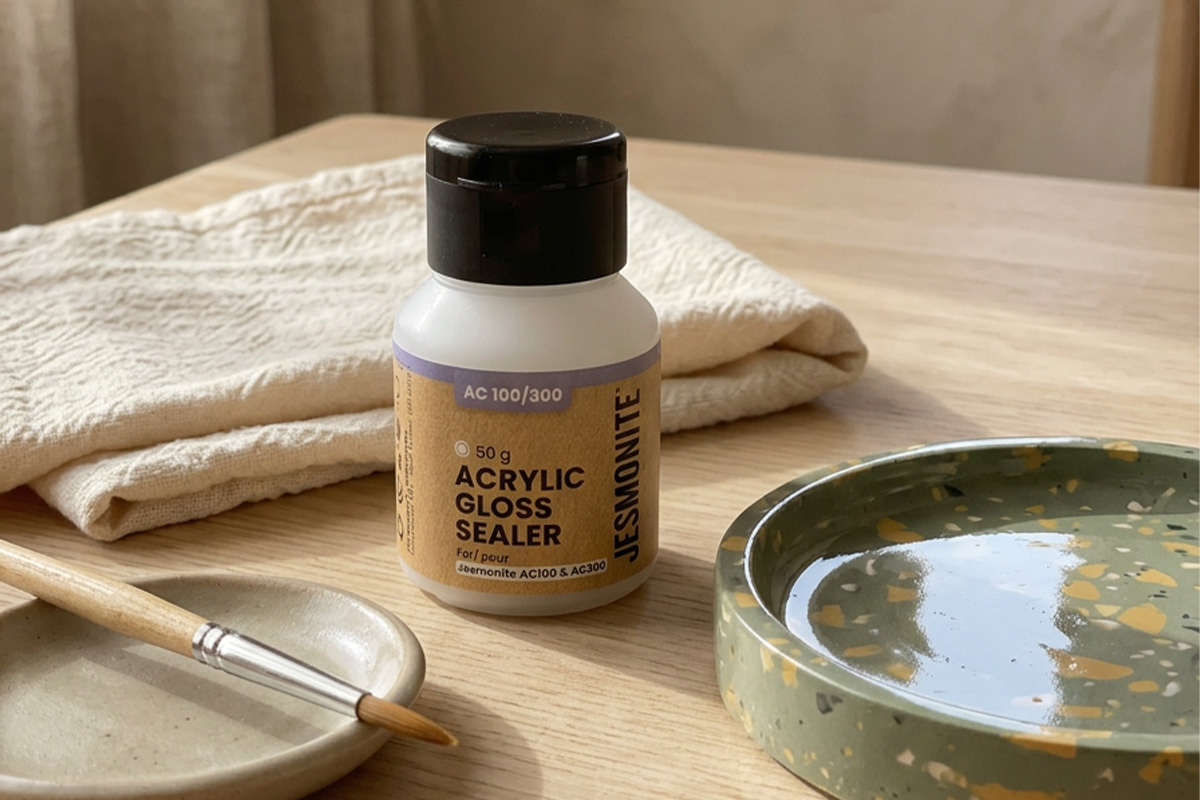
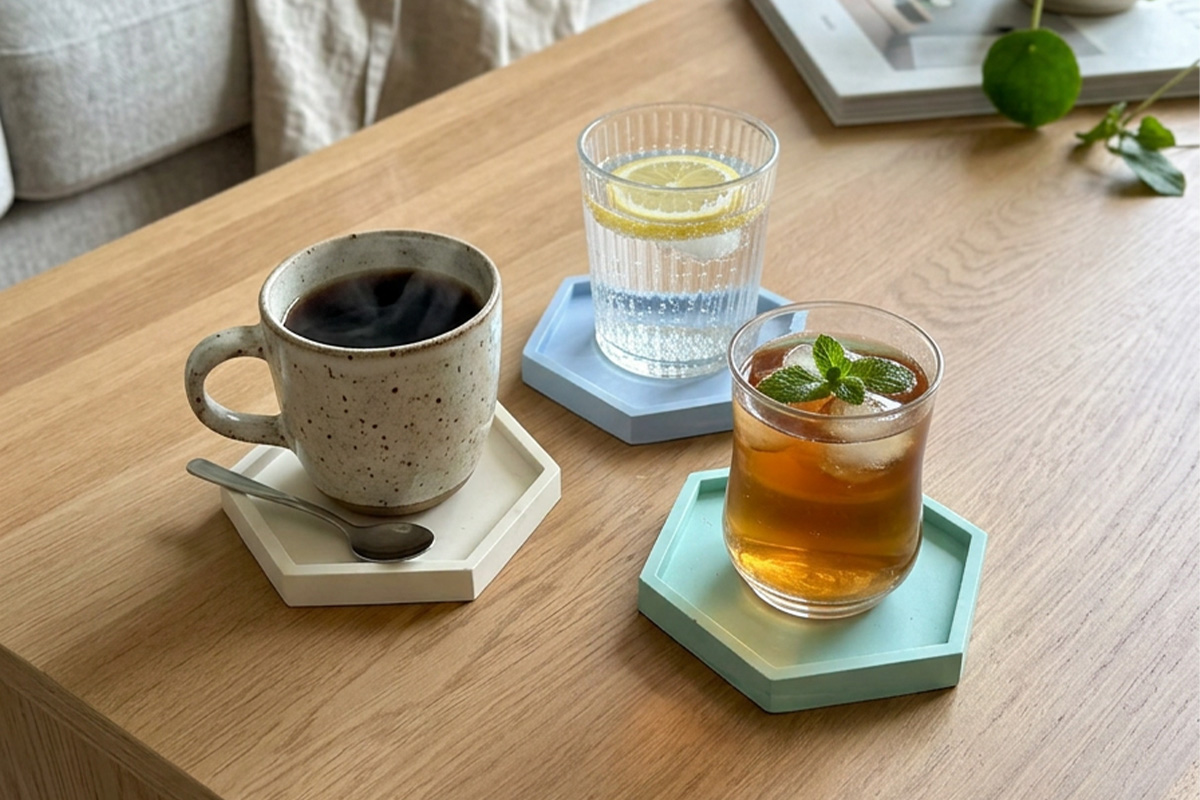
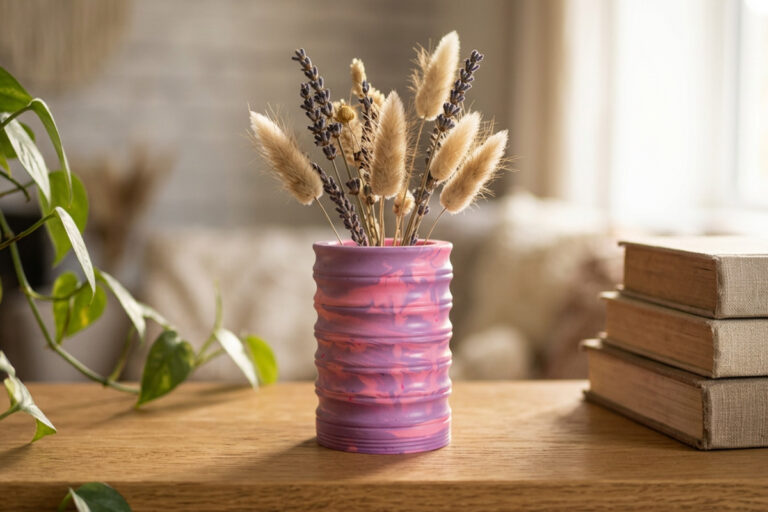
Most makers start with indoor homeware such as trays, coasters, vases and candle holders cast in AC100. For these, the acrylic sealer is your friend. It gives a gentle satin or glossy sheen, lifts the colour, and protects against splashes and the odd spill.
One thing to keep in mind for candles: Jesmonite® base products (Jesmonite® base plus Jesmonite® liquid) are made to withstand the heat of a candle and will not melt, so a base cast is safe as a candle vessel. Sealers, however, are not fire-tested, so do not apply a sealer to a piece that will hold a burning candle. Using one on a candle piece is at your own risk.
Indoor sealing is forgiving, but it still has limits. A sealed AC100 coaster will shrug off a sweating glass, yet it is not built to be submerged or scrubbed under a running tap. Treat sealed indoor pieces as splash-resistant rather than fully waterproof, and they will look good for years.
Working with AC100 for the first time? Our Jesmonite® starter kits are an easy way to get everything you need to cast and finish your first pieces.
Outdoor use is a bigger ask. A piece left outside faces rain, frost, sun and constant temperature swings, so both the material and the sealer have to be up to the job.
For genuine outdoor durability, choose a variant built for it. Jesmonite® AC730 is a tough, cement-based composite with a stone-like finish that is suitable indoors and out. Jesmonite® AC84 is another versatile, weather-capable option. Seal AC730 with a penetrating or Flexiguard sealer so the protection soaks in and stays invisible against the textured surface.
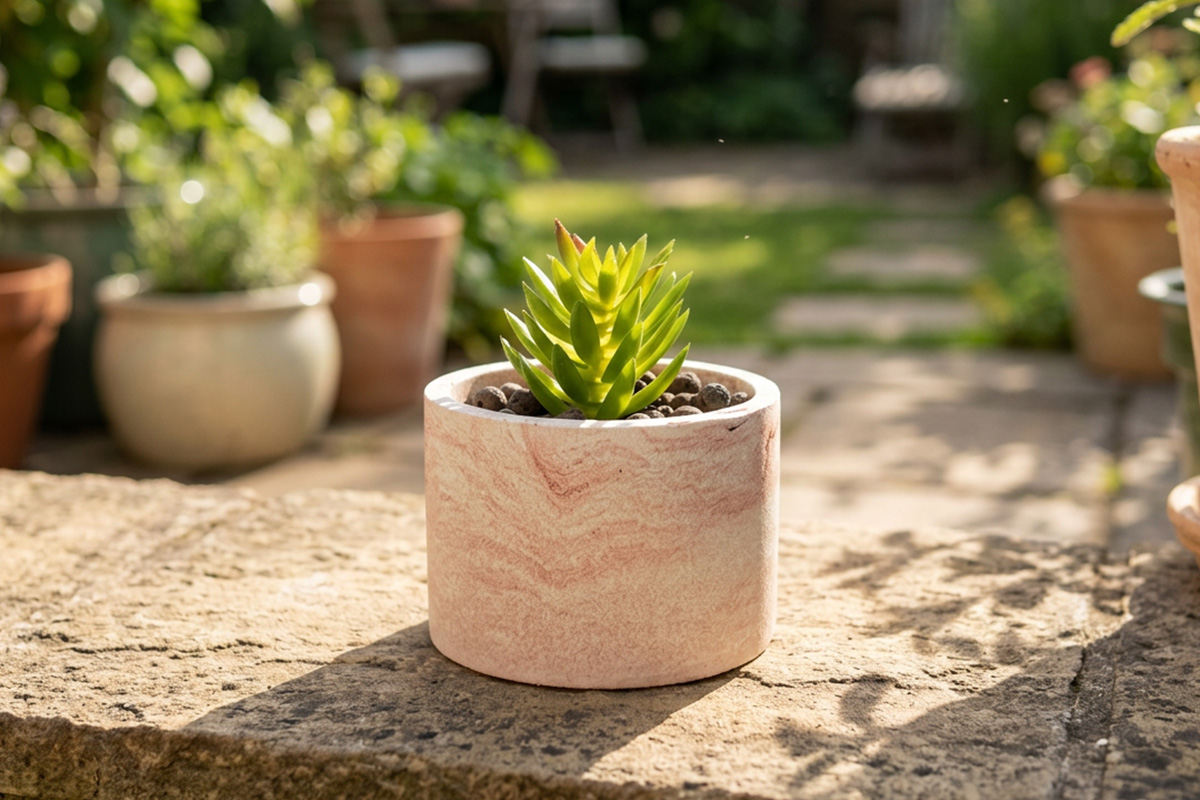
Even the best sealer is not permanent. Outdoor pieces take a beating from the weather, so plan to re-seal them periodically to keep the protection fresh.
Once your piece is fully cured and dry, sealing is straightforward. Always follow the specific instructions on your sealer, but the general process looks like this.
Test on the base or an offcut first if you are trying a new sealer. That way you can check the finish before committing to the whole piece.
Sealed Jesmonite® is easy to live with. Wipe pieces clean with a soft, damp cloth and a little mild soap, then dry them off. Avoid abrasive scourers, harsh chemicals and soaking, all of which wear the sealer down over time.
Keep sealed indoor homeware away from prolonged standing water, and never treat decorative casts as dishwasher-safe. For outdoor pieces, check them each season and re-seal when the surface starts to look thirsty or begins absorbing water again. A few minutes of upkeep keeps your work looking its best for a long time.
Ready to protect your next project? Grab the right sealer for your cast on the accessories page, or start from scratch with a Jesmonite® starter kit and finish your pieces the way they deserve.
Everything from this guide in one basket: Jesmonite sealers satin - 50, with the recommended extras optional.


★★★★★ Rated Excellent on Trustpilot
No. Jesmonite® is porous and will absorb water, so it is not waterproof on its own. You need to seal it before it comes into regular contact with water. An acrylic sealer suits AC100, while a penetrating or Flexiguard sealer is made for cement-based variants like AC730 and AC84.
Use an acrylic sealer for AC100, available in satin or gloss. It gives a soft finish and everyday protection against splashes and stains, which is ideal for indoor homeware such as trays, coasters and vases.
Yes, but choose the right variant. For true outdoor durability, cast in AC730 or AC84, which are made to handle the weather, and seal AC730 with a penetrating or Flexiguard sealer. Expect to re-seal outdoor pieces periodically, as no sealer lasts forever against rain and frost.
Apply at least two thin, even coats, letting each one dry as directed on your product. For pieces that will see water, a third coat adds extra protection. Thin coats always beat one heavy coat, which can pool or stay tacky.
Sofie knows every Jesmonite variant, ratio and fix. If a cast can go wrong, she's un-wronged it. Part of the Gigacrea maker team.