Nothing here yet. Every maker starts somewhere.
Pick a starter kit with everything for your first cast, or let the beginner guides walk you through it.
Shop the starter kits Read the beginner guides
 By Mira Casteels
·
6 min read
Beginner
By Mira Casteels
·
6 min read
Beginner
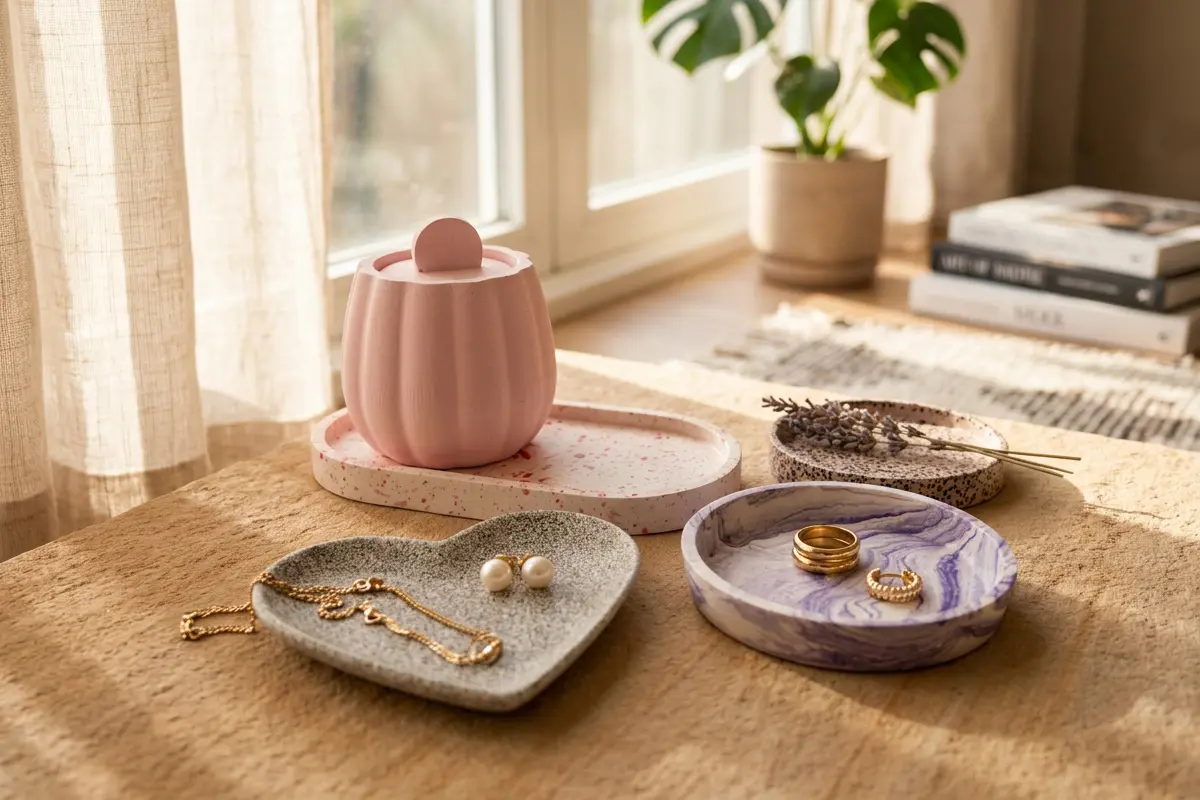
Jesmonite® is one of the friendliest casting materials for beginners: it’s water-based, non-toxic and can demould in as little as 30 minutes with AC100. Once you’ve mixed your first batch, the hard part is deciding what to pour it into. If you’re wondering exactly what to make with Jesmonite®, this list gives you ten project ideas that look great on a shelf and are simple enough to start today. Each idea comes with a quick tip and a pointer to the right mould so you can get going.
 Jesmonite sealers satin - 50recommended
Small satin sealer, protects against water and daily use
€ 9,99
Add
Jesmonite sealers satin - 50recommended
Small satin sealer, protects against water and daily use
€ 9,99
Add
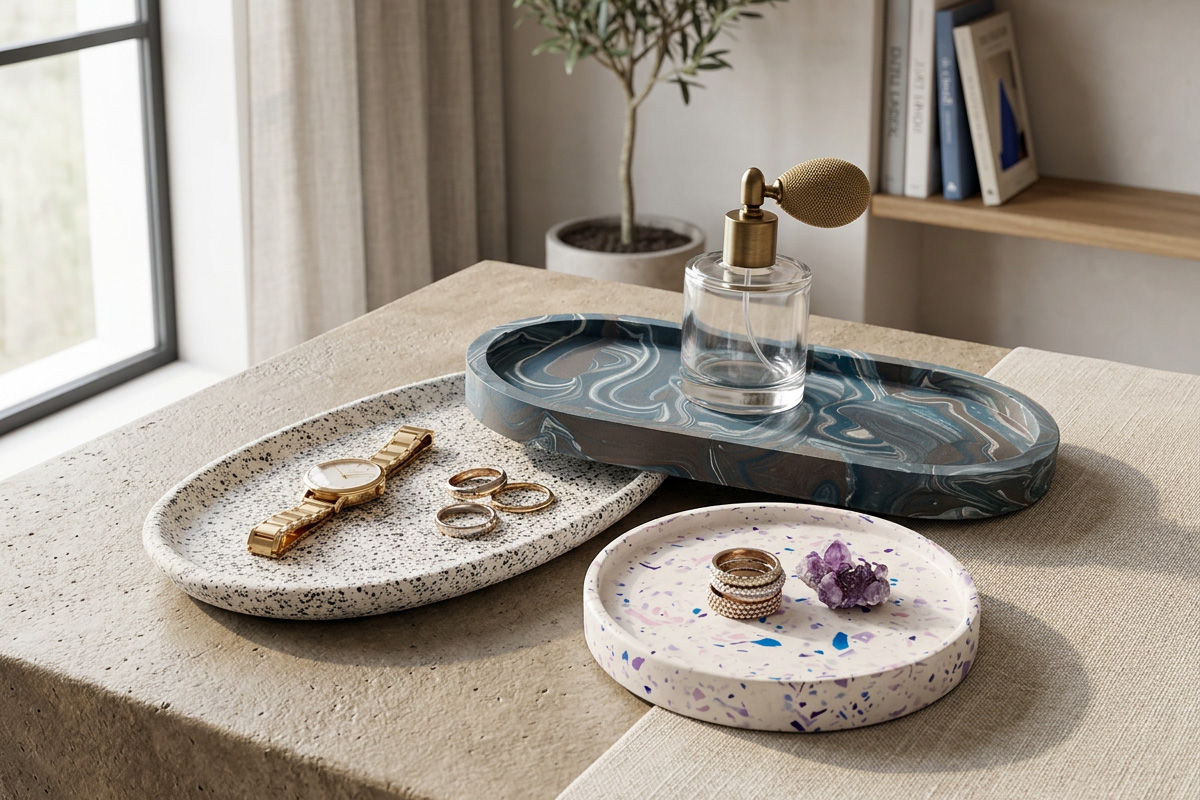
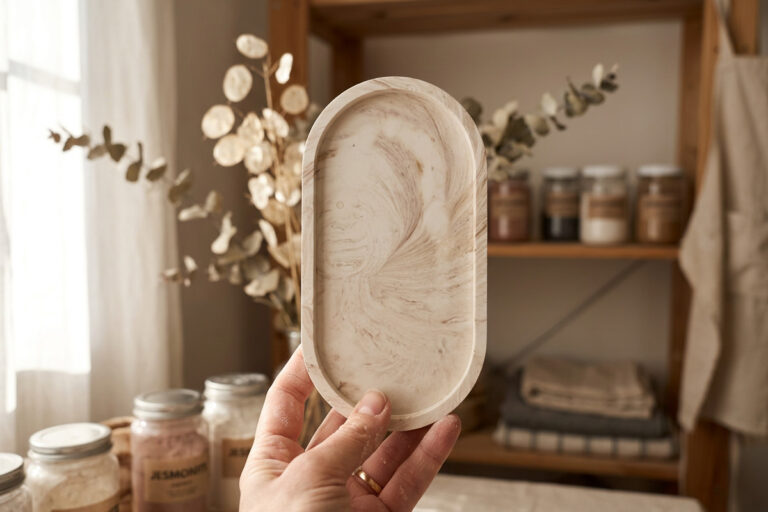
Coasters are the classic first project, and for good reason: they’re flat, forgiving and quick to demould. Trays follow the same logic on a bigger scale. Pour a small test batch first to dial in your pigment before you commit to a full set, and give the surface a light sand with fine paper as soon as you’ve demoulded it, while the cast is still relatively soft and easy to work. Browse the coaster & tray moulds to find round, square and organic shapes that match your table. See our full guides to making coasters and trays.
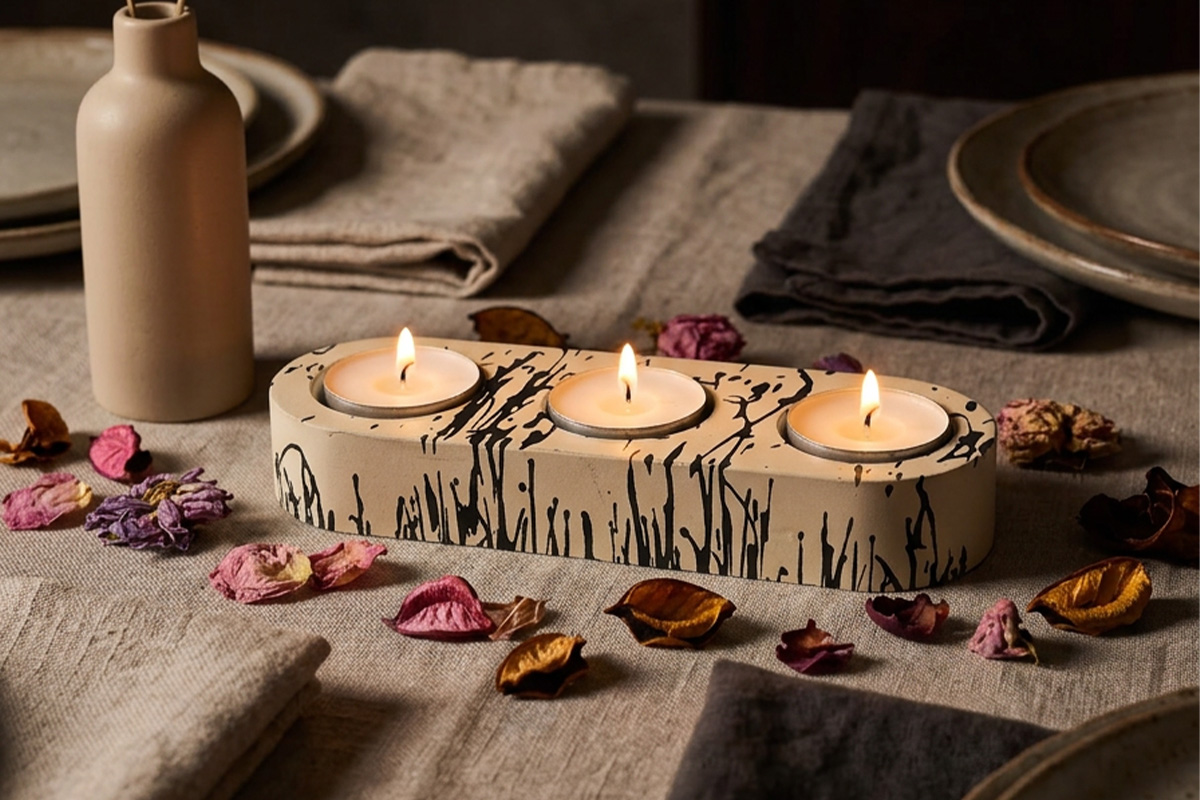
A Jesmonite® candle holder adds instant warmth to a room and makes a lovely gift. Jesmonite® base is made to take the heat and won’t melt, but sealers aren’t fire-tested, so leave any surface near the flame unsealed, sealing it there is at your own risk. Using a proper glass insert or a heat-resistant tealight keeps the flame tidy too. Terrazzo effects look especially good here, so fold in a few small Jesmonite® chips you’ve made yourself before you pour. Start with a shape you love from the candle holder moulds and build a matching set for a mantel or dining table. See our full guide to casting candle holders safely. Prefer a wax-free glow that stays on? Cast a Jesmonite® lamp instead.
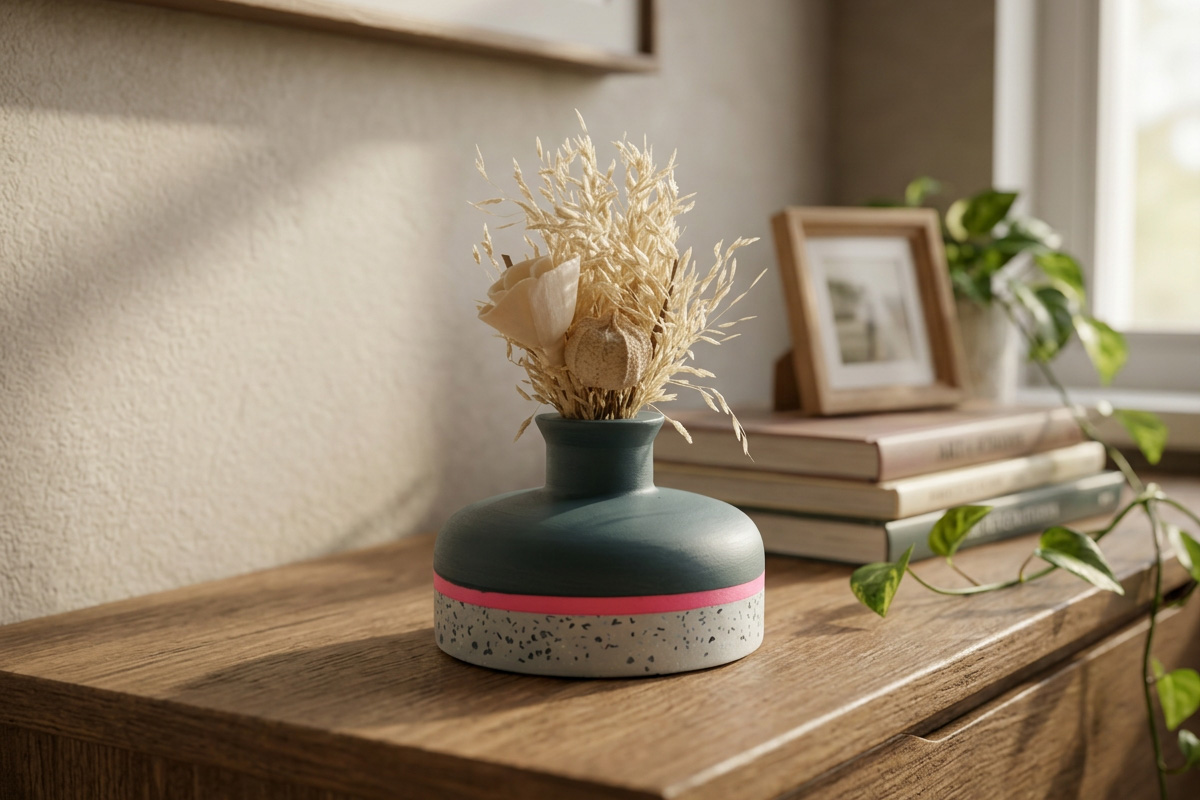
Jesmonite® isn’t waterproof on its own, so for a vase you have two easy routes. If you want to use it with water and fresh flowers, simply seal the inside first. Prefer not to seal? Use it for dried flowers, where no water is involved. Either way you get all the sculptural weight and stone-like finish. Explore the vase moulds for tall, rounded and ridged silhouettes, and see our full guide to making a Jesmonite® vase.
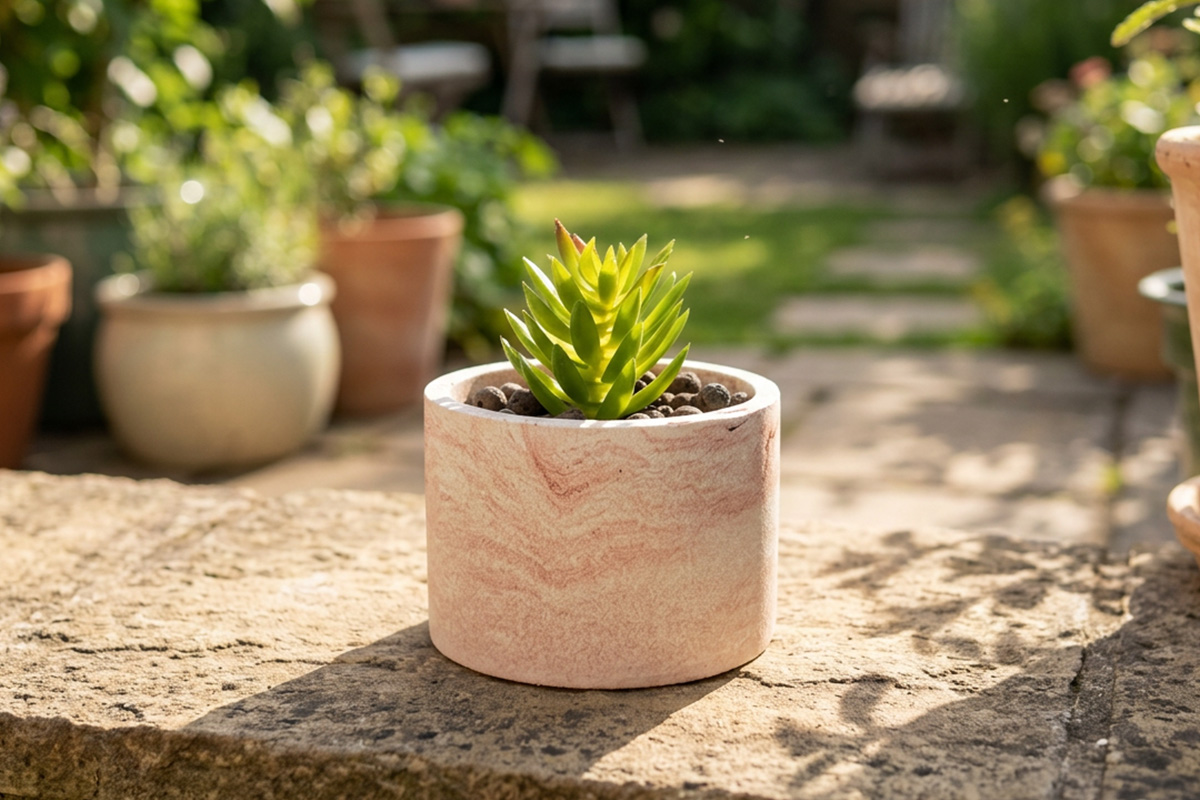
Small planters are a satisfying next step once you’re comfortable with the mix. You don’t need a plastic liner, you can plant straight into your cast. For anything that lives on a windowsill or outdoors, choose a hard-wearing, weather-resistant variant like Jesmonite® AC730 or AC84, both cement-based and suited to indoor and outdoor use. See our full guide to making plant pots.
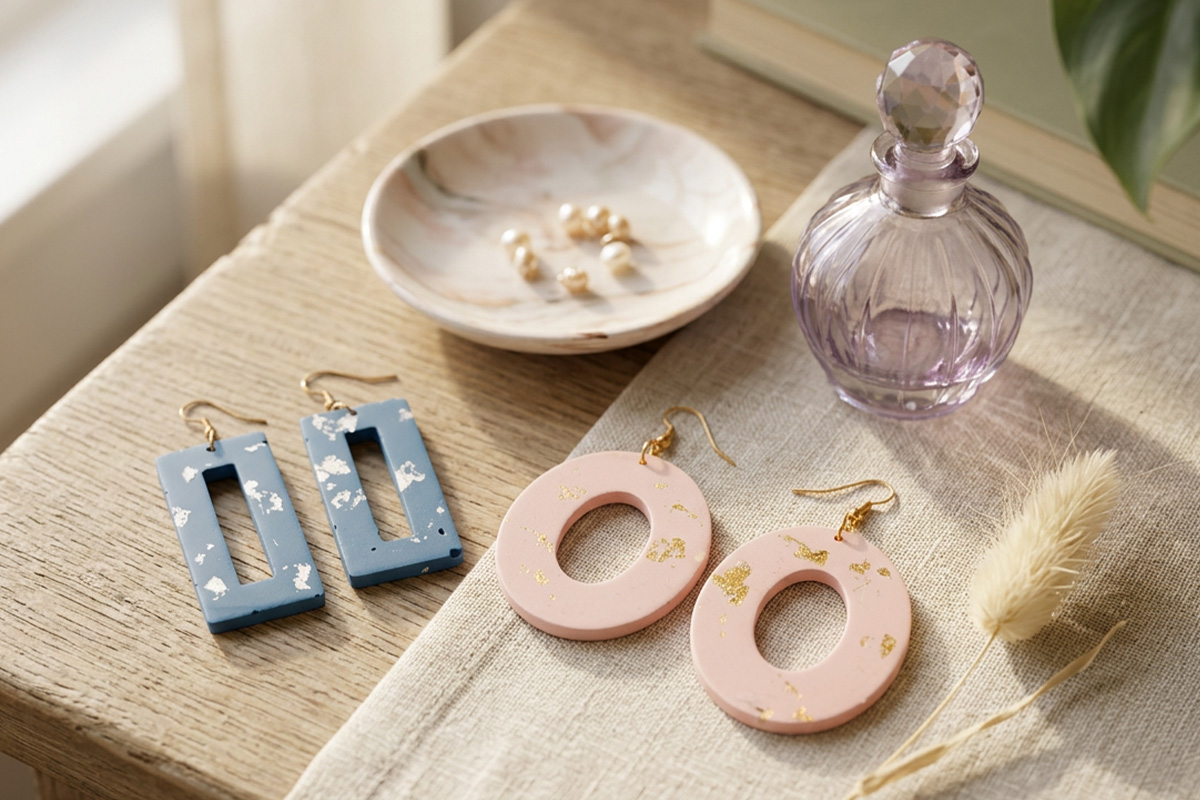
Earrings, pendants and rings are the ideal way to use up leftover Jesmonite® from a bigger pour, so nothing goes to waste. Work quickly, as small amounts set faster than you expect, and sand the edges smooth before adding your findings. A little pigment goes a long way at this scale, so start with the smallest pinch. The jewellery moulds cover studs, geometric shapes and statement pieces to get you started. See our full guide to making Jesmonite® jewellery.
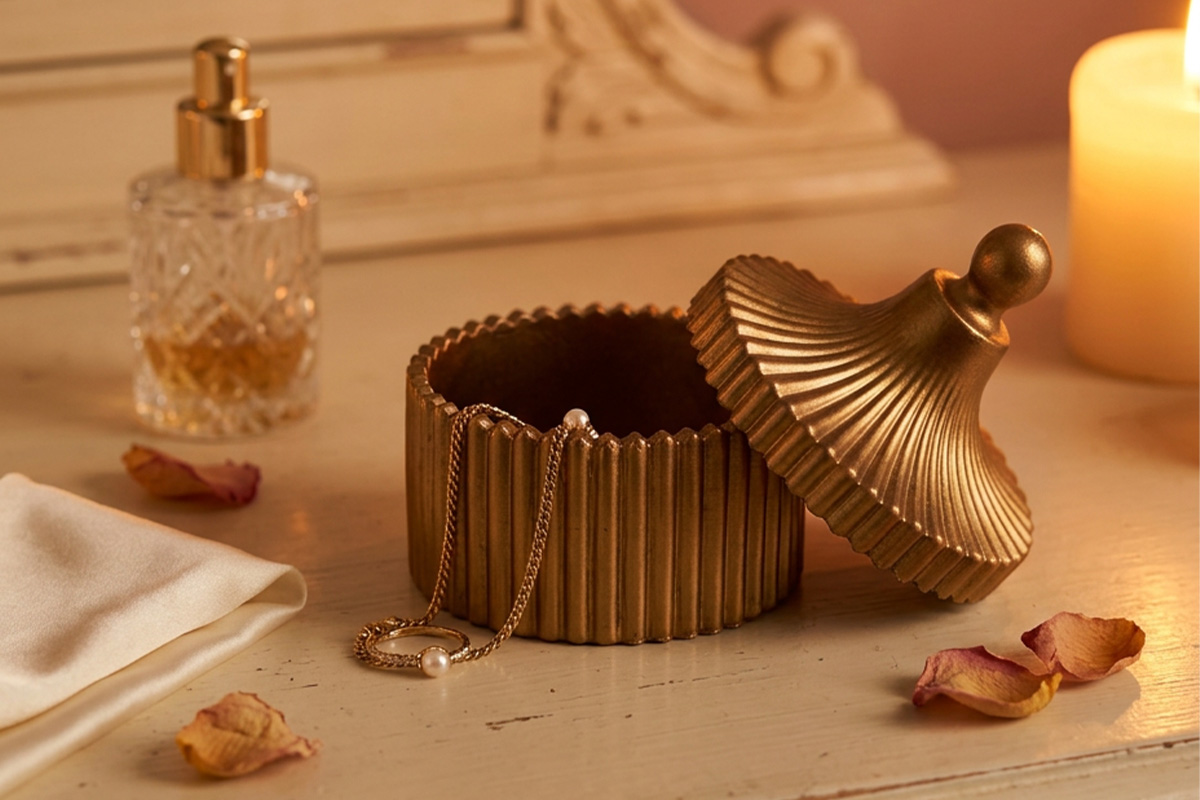
Lidded jars and little catch-all pots are endlessly useful for cotton buds, jewellery, desk clips or bathroom bits. Cast the base and lid separately, then check the fit while both are freshly demoulded so you can adjust before they fully harden. A satin sealer helps the inside wipe clean. Take a look at the storage jar moulds to build a set that keeps a shelf tidy and looking good.
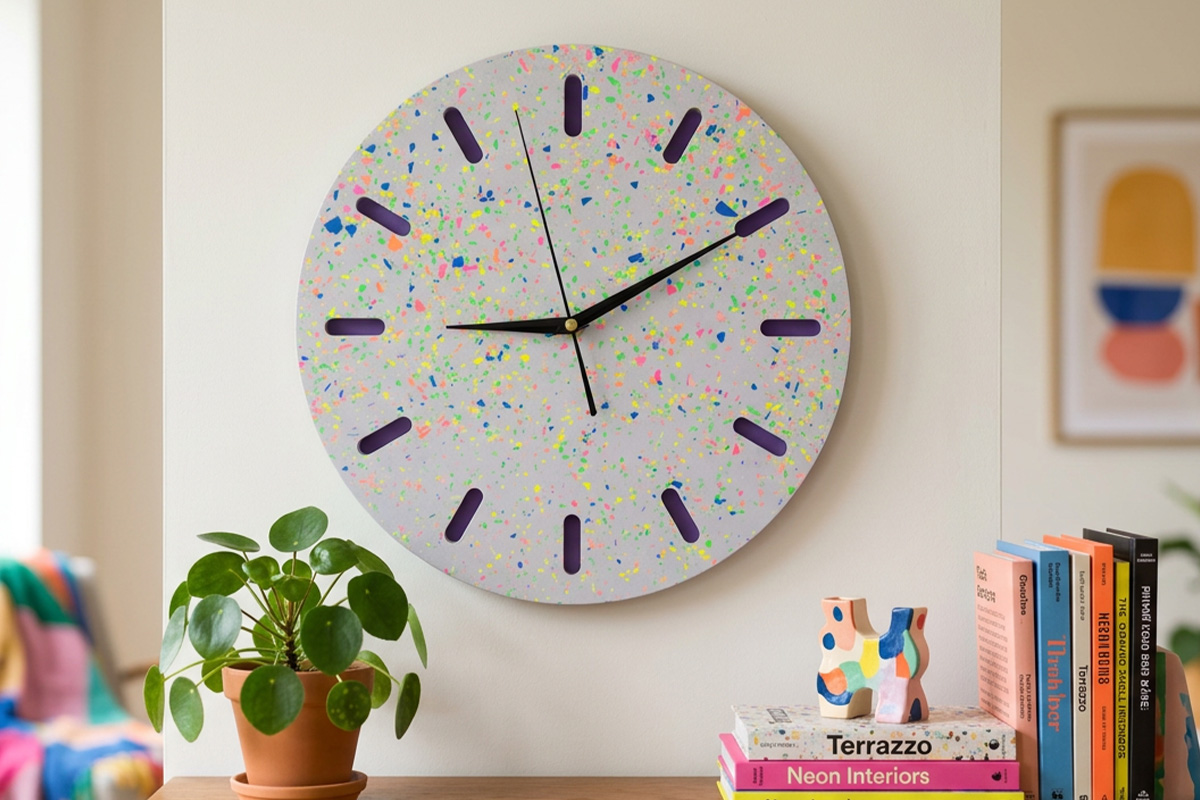
Flat panels, hanging shapes and relief tiles turn Jesmonite® into wall décor. Because these pieces are thin, add a hanging loop or embed a keyhole fixing while the cast is still wet rather than trying to attach one later. Marbling two tones together gives each panel a one-of-a-kind pattern. If you want a versatile, weather-resistant material for pieces that can even go outdoors, Jesmonite® AC84 is worth a look.
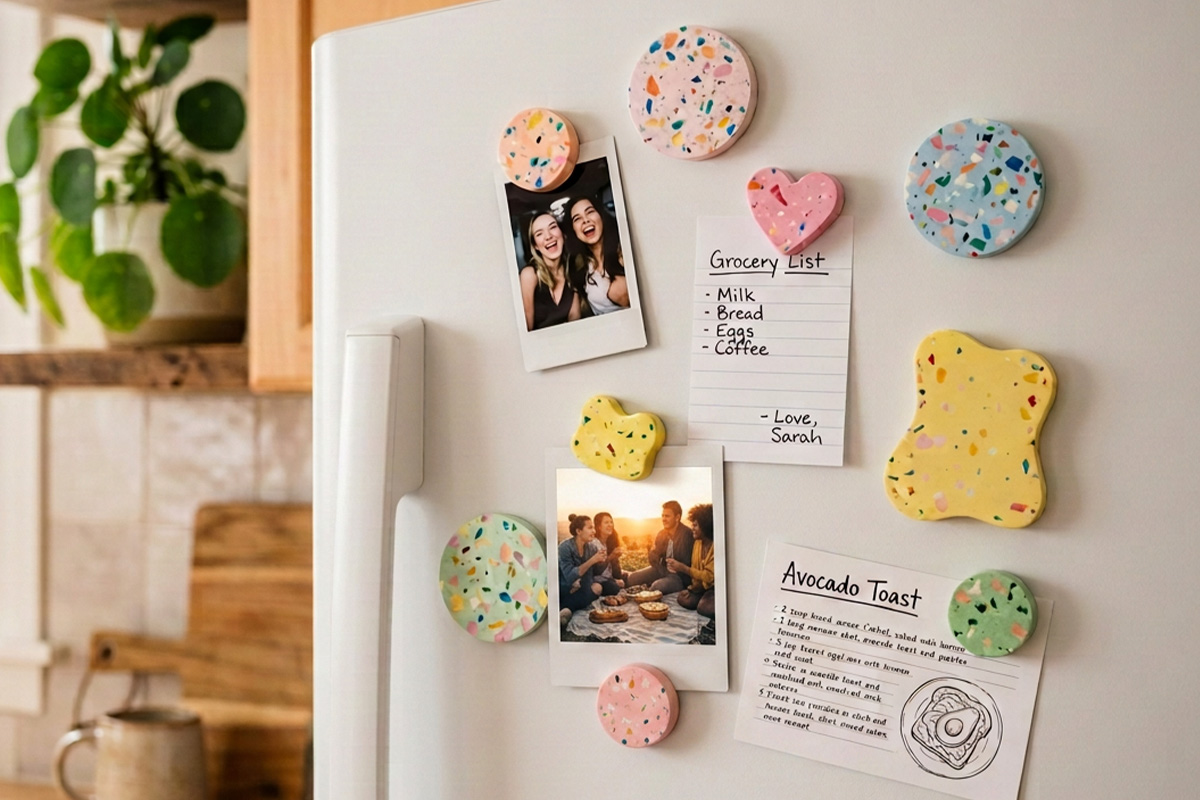
Mini magnets are the perfect way to test a new colour or effect without wasting material, and they make cheerful little gifts. Cast tiny shapes, then glue a magnet to the back once each piece is completely dry. Try a set in matching tones from a single pigment strip for a coordinated look. Our liquid pigments only need a tiny amount, so a single bottle lasts a long time across many small projects.
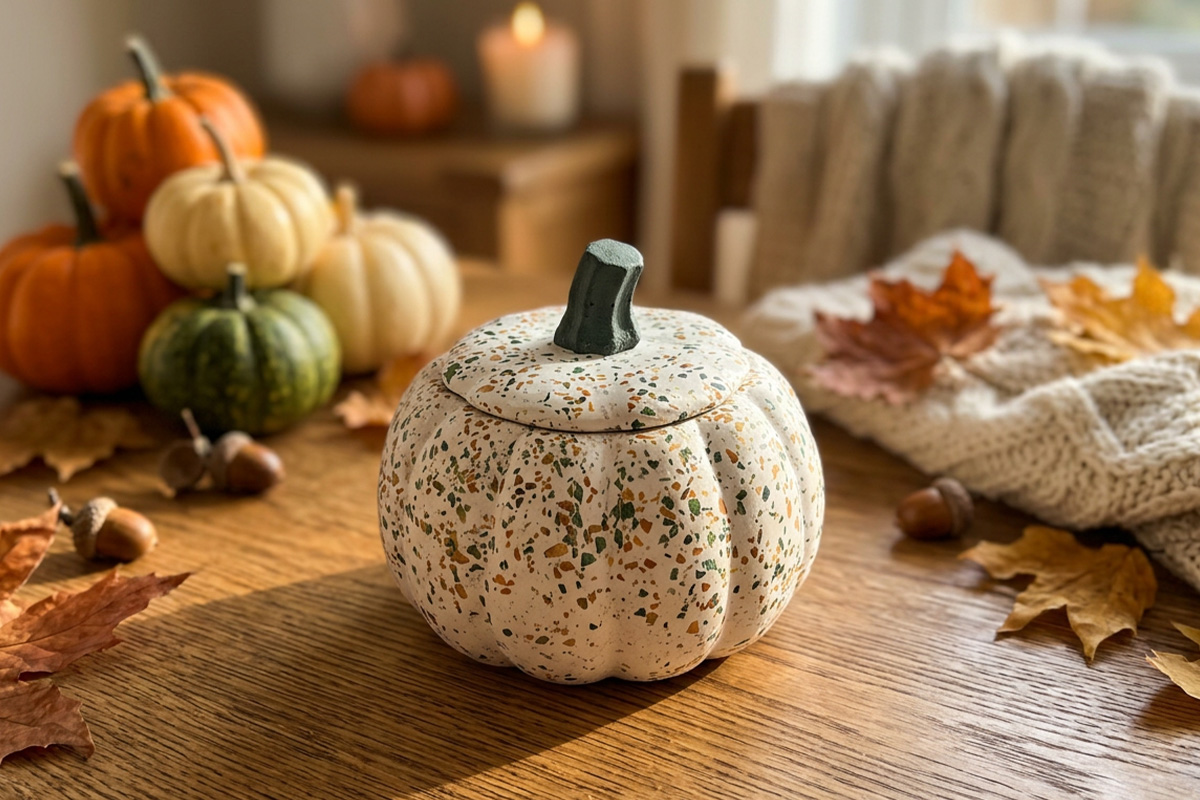
Ornaments, place-card holders and small figures let you cast for holidays and celebrations well ahead of time. Keep them lightweight so hanging pieces don’t pull on a branch, and finish with a sealer if they’ll be handled a lot. For a festive touch, add a recycled-glass effect with GlassRoxx granulate, which brings sparkle to the surface using water-based colour. See our Christmas decorations guide for festive ideas.
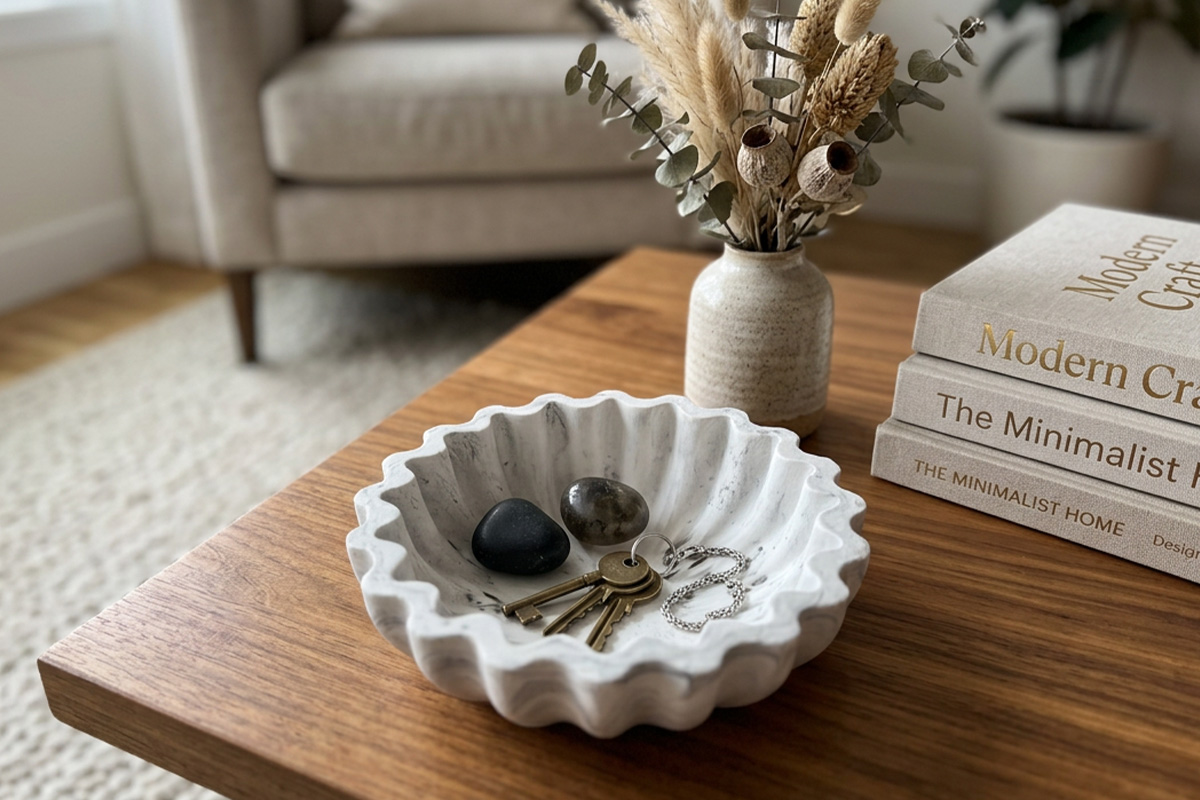
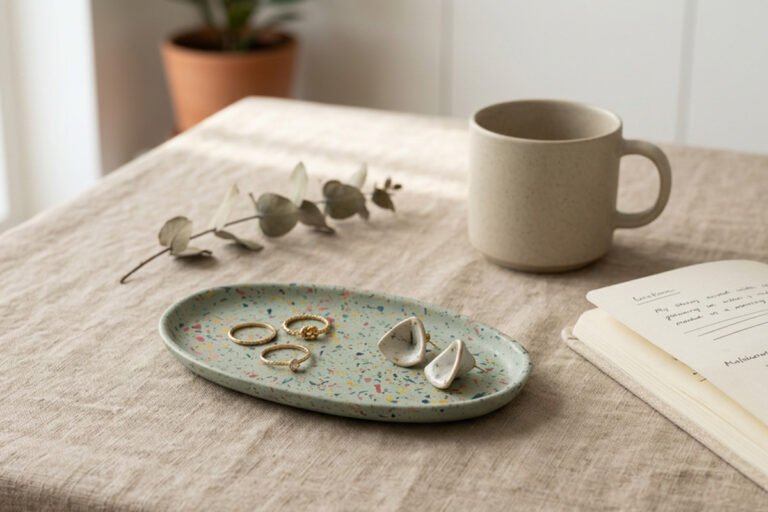
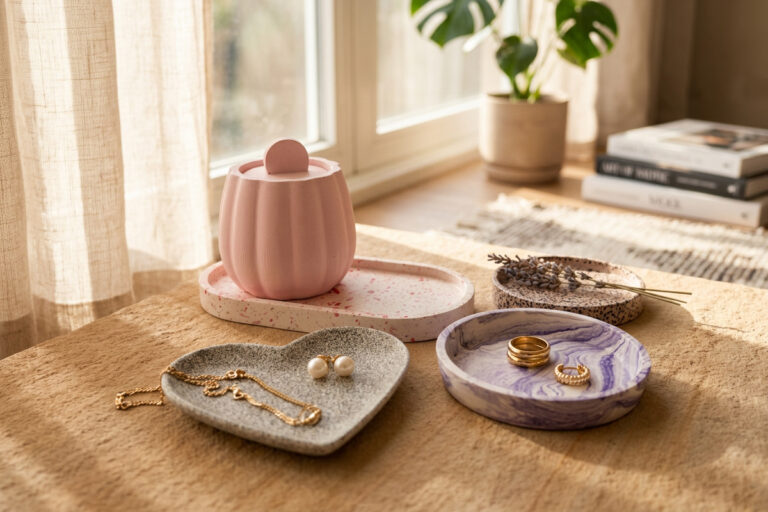
Trinket dishes and shallow bowls are a beautiful, practical finish to any collection: rings, keys and coins all find a home. Keep the walls an even thickness so the piece dries uniformly, and seal the inside if it will hold anything damp. A shallow, wide shape demoulds more easily than a deep one, which makes it a good confidence-builder. Whatever you’re planning, the full range of moulds has a shape to suit it.
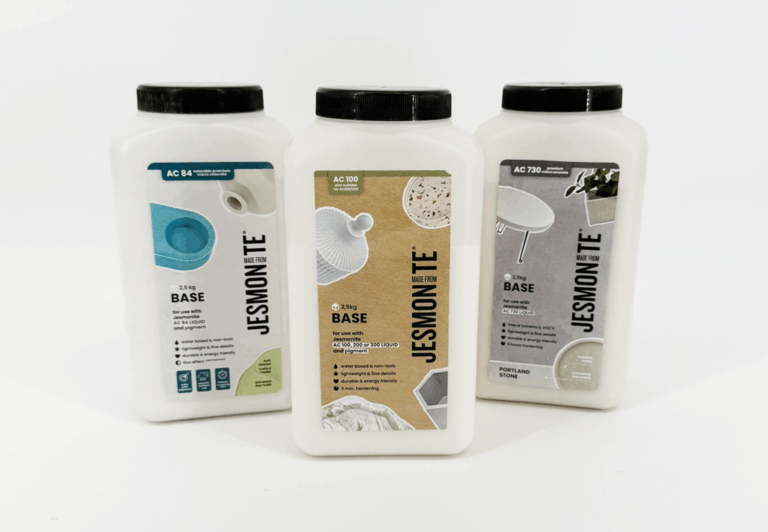
The easiest way in is a kit that pairs the Jesmonite® base powder, Jesmonite® liquid and a few essentials in one box, so you’re not guessing about quantities. Grab an AC100 starter kit, pick a mould that excites you, and you’ll have your first finished piece drying on the side within the hour. Order before 2 pm and it goes out the same day.
Everything from this guide in one basket: AC100 sets - 3500, with the recommended extras optional.

★★★★★ Rated Excellent on Trustpilot
Coasters are the best starting point. They’re flat, use a small amount of material, and demould quickly, so you get a clean result and learn the mixing ratio without much waste. Fridge magnets and trinket dishes are great low-risk projects too.
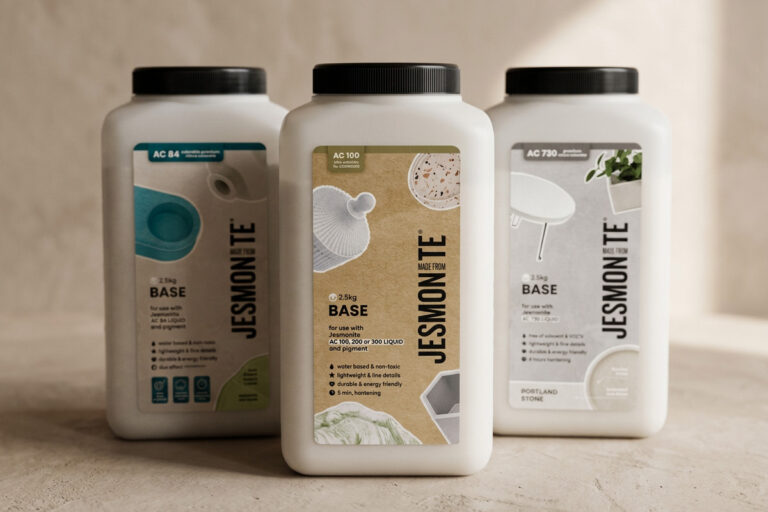
For indoor decorative pieces like coasters, vases and candle holders, Jesmonite® AC100 is the go-to and the most beginner-friendly; it’s gypsum-based and mixes 1:2.5 (Jesmonite® liquid to base). If your piece will live outdoors or needs to be more hard-wearing, choose AC730, which is cement-based and mixes 1:5. For a versatile, weather-resistant option that is still easy to pour, look at AC84, also cement-based at 1:5. Those ratios are all you need, for working out quantities, most of our own mould product descriptions list how much to mix, or you can use an online Jesmonite® calculator or the Jesmonite® app.
Jesmonite® is porous and not waterproof on its own. For a vase, seal the inside if you want to use it with water and fresh flowers, or use it for dried flowers with no sealing needed. For planters you don’t need a liner, and for outdoor pots choose the weather-resistant AC730 or AC84. A compatible sealer adds extra protection and makes surfaces easier to wipe clean.
Not much. You need a silicone mould, something to mix in, a scale to weigh the Jesmonite® base powder and Jesmonite® liquid accurately, and some fine sandpaper for finishing. A starter kit bundles most of the essentials, so it’s the simplest way to begin.
Mira has walked hundreds of makers through their very first cast in the Gigacrea workshop. Part of the Gigacrea maker team.